
How to Evaluate Late-Match Scoring Pressure in Football
Three findings shape how experienced football observers read the final 20–25 minutes of a match. Late goals are rarely random; most follow a visible shift in tactical structure. Fatigue patterns in specific positions, especially full-backs and central midfielders, reveal more about imminent pressure than live possession statistics. And the market frequently overprices perceived pressure, so a disciplined viewer can spot situations where the obvious read is already too expensive.
This guide takes the football-watching approach promoted by SUNWIN and moves from an elementary observation checklist to advanced signals that separate casual watchers from those who can sense when a late goal is genuinely building.
What to Prepare Before You Judge Any Late Phase
You do not need expensive data feeds. You need a consistent viewing routine and a few reference points.
Keep a Simple Match-Flow Sheet
Log three things live: substitutions with minutes, yellow cards, and any formation change. A handwritten list is fine. If a team makes a double attacking switch in the 70th minute, the important question is how the defensive unit responds by the 78th minute—not whether the crowd is loud.
Check the Event Context First
Pressure reads differently in a relegation battle, a title race, or a dead rubber. Check league positions before kickoff. A team locked at 0–0 with nothing at stake creates a very different late dynamic from a side that must score to survive.
Set Your Own Late-Match Window
Most football analytics treat minutes 70–90 as the late phase. But when one side has played extra cup minutes that week, physical decline starts earlier. In practice, the late window can begin at the 60th minute for the thinner squad.
 Hình minh hoạ: SUNWIN
Core Principles Behind Late Scoring Chances
Late scoring pressure is not about a team wanting a goal more. It comes from one side losing structural order while the other is still organized enough to exploit that collapse.
Territorial Control Beats Possession
Possession in midfield is noise. Pressure appears in the attacking third: how often the ball enters the box, from which flank, and whether the defending team clears beyond the first line. Twelve predictable crosses that are headed away are failure, not threat. But when a defending full-back pushes too high, leaves his winger isolated, or loses two consecutive sprint duels, a real lane opens.
| Low-value late signals | High-value late signals |
|---|---|
| High possession share in midfield | Repeated final-third entries through one wing |
| Large volume of crosses | Consistent second-ball wins inside the box |
| General attacking substitution | A formation change that stretches the pitch vertically |
| Team pushing forward visually | One specific defender losing sprint duel after sprint duel |
The 70–70 Fatigue Window
Minutes 70–80 produce the sharpest physical drop for wide players in many matches. A full-back who has sprinted all match loses noticeable recovery speed. The winger facing him does not need more talent; he needs to attack the same channel twice in quick succession. A defender already on a yellow card will hesitate more in those seconds, and hesitation in the 75th minute is a scoring chance waiting to happen.
Psychological Time Differs from Clock Time
The worst defensive breakdown usually comes between minutes 82 and 88, especially after the chasing team changes to a three-at-the-back shape. In that window, marking assignments become unclear. Watch for one defender pointing at another after a conceded chance in the box. That gesture is a communication collapse and a stronger signal than any shot map.

Step-by-Step: Reading a Match Live
Follow this process during the game instead of evaluating from memory once the final whistle sounds.
- Record every substitution. Log minute, position, and likely tactical intention. Three attacking changes before the 75th minute is a much stronger late-pressure marker than one at the 80th.
- Find the target channel. Look at the last five touches in the attacking third. If four of five came through the right wing, the pressure has a defined lane—not a general trend.
- Measure the defensive line. Check the distance between the goalkeeper and the center-backs. A high line while protecting a lead is either confidence or recklessness. Either way, the chasers have space in behind if they attack vertically.
- Track one midfielder for three minutes. Choose the deepest central midfielder of the defending team. If he stops following runners after the ball has moved past him, the opponent will exploit that corridor soon.
- Compare your read with live prices. If the market heavily favors a goal but the team is producing only distant, low-quality attempts, the odds may be pricing reputation rather than reality.
Apply the match context you collected earlier at each step. A promoted team chasing a point while already exhausted from a midweek cup match is a different animal from a top-four side pushing for a derby equalizer.
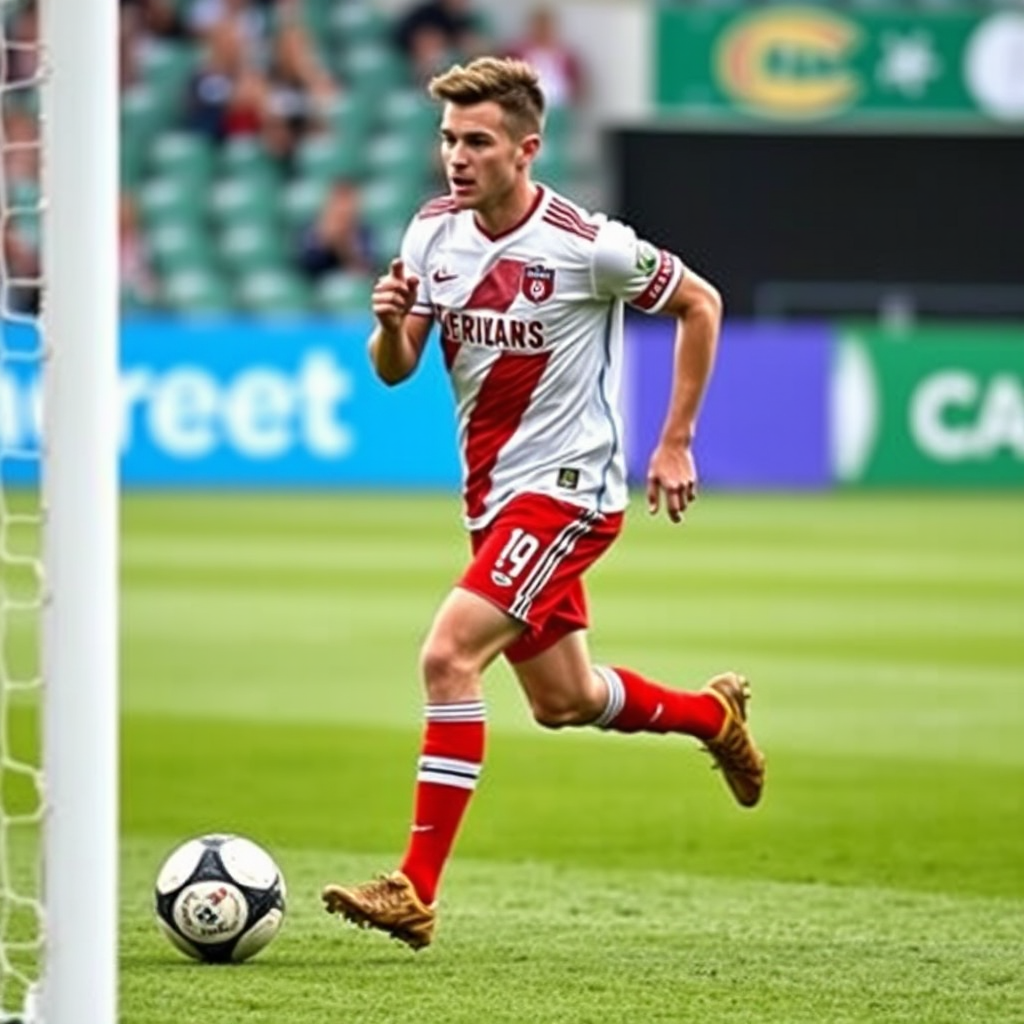
Illustrative Examples: Three Late-Game Situations
The Chasing Team That Presses Without Shape
Team A trails 0–1, makes a double attacking sub in the 68th minute, and controls 70% possession by the 76th minute. A beginner label looks like a goal is coming. Actually, watch the shape: three center-backs, wing-backs pushed high, and a lone defensive midfielder dropping deep. The opponent is not defending; it is waiting for one vertical pass. The danger for Team A is a counter-attack, not an equalizer built through possession.
The Tired Defender Who Gambles
A home left-back is on a yellow card since the 62nd minute and has already been beaten twice by the same away winger. In the 82nd minute, the left-back advances into the opponent’s half, leaving space behind. The away attacking midfielder delays his run into the half-space. That delay is not hesitation; it is timed movement against a broken mark. This is one of the most recognizable late-goal setups in football.
The Aggressive Press That Is Actually False
With five minutes left, a losing team suddenly presses high and the crowd responds. But the forwards press while the midfield stands off and the defense stays deep. This structure does not create pressure; it opens the center of the pitch. The more probable late event is a breakaway against the pressing side, not an equalizer.

Common Mistakes in Judging Late-Match Pressure
Even experienced viewers fall into these traps. Compare your own method against this list.
- Reading crosses as threats. A flood of crosses is meaningless if the defense keeps winning the first header. Track the second ball, not the delivery count.
- Punishing a deep block. Some teams intentionally defend deep late because they are baiting a counter. A low defensive line at minute 80 is not automatic collapse.
- Ignoring the bench strength. A team that has already brought on two defensive midfielders while keeping its creator on the bench will fade differently from a team holding a clever substitute for the final quarter.
- Overweighting the last five minutes. The final stretch distorts perception. Compare chance quality in minutes 75–80 against minutes 85–90 before drawing conclusions.
These evaluation habits appear in many football and gaming communities, including the discussion around Game Bài Sunwin, but always remember that any tactical betting involves real financial risk and requires self-control.
Memory Checklist for Your Next Match
- Log substitutions with minutes.
- Name the target channel from the last five final-third touches.
- Check the goalkeeper-to-center-back distance.
- Watch the most tired defender for three consecutive minutes.
- Separate real pressure from territorial possession.
- Apply context: table position, midweek cup minutes, local rivalry intensity.
- Ask whether the live market price already reflects what you are seeing.
Frequently Asked Questions
What is the most reliable signal in the late phase?
The uncoordinated press—forwards pressing while midfielders stand off and the defense stays deep—is usually a stronger indicator of a counter-attack coming than of a goal from the pressing team.
Is possession percentage useless for late pressure?
Not useless, but overvalued. The key questions are where the possession happens and how many times it creates a clean ball into the box.
Can a single minute tell you more than a full half?
Only the minutes immediately after a substitution or a goal, especially around the 70–75 mark, and only if you already have the earlier game state to compare against.
Does the referee change late-match pressure?
Yes. A referee who avoids whistling fouls allows more aggressive pressing and physical duels, which can visibly raise the volatility of the final ten minutes.
Final Recommendations by Reader Group
For beginners: use the checklist and stay away from live bets on a team whose pressure is limited to possession. Watch five full matches before trusting your own read at all.
For intermediate bettors: systematically compare what you observe against live market prices. Track hits and misses over a month. If you keep agreeing with the market right after a goal, you are still overreacting to the scoreboard.
For advanced viewers: shift your focus from why the attacking team is pushing to how the defensive team reacts. Late pressure becomes dangerously real when defenders start adjusting to each other; it fades when they stay composed. Your edge lies in detecting which process is unfolding.
Set bankroll limits in advance, and treat every bet as entertainment rather than guaranteed income. No reading skill removes luck from a single match; it only improves your judgment over many matches.